Therapeutic Massage
What Is Therapeutic Massage?
Conditions Therapeutic Massage Can Help
What To Expect From A Session
Frequently Asked Questions


What Is Therapeutic Massage?
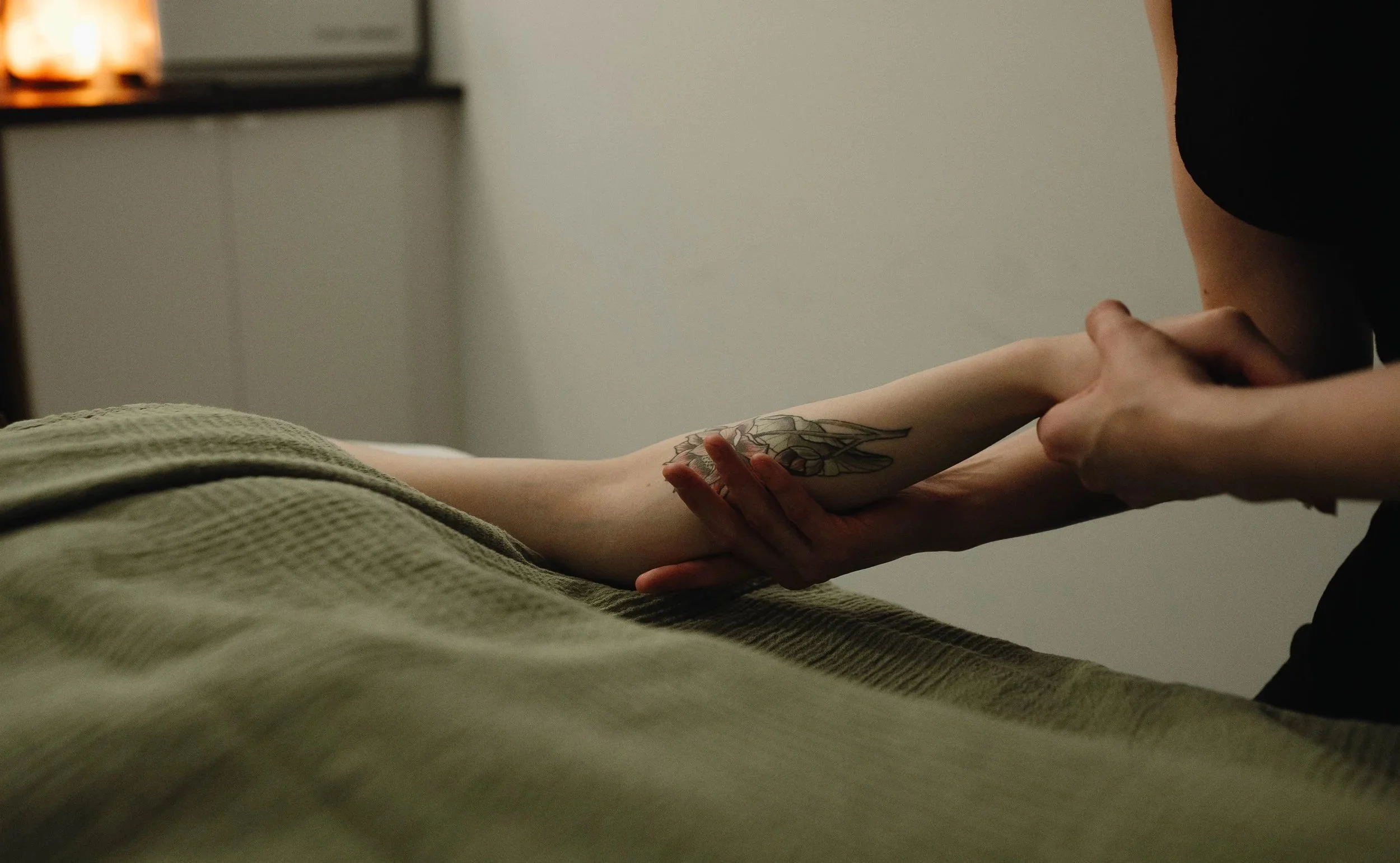
Therapeutic massage with Kate-Lynn of Flowing Roots Wellness is designed to support both physical pain relief and nervous system wellness. Using a variety of techniques, treatments aim to reduce pain, relieve muscle tension, improve mobility, manage stress, and promote overall well being. Each session is tailored to your individual needs and wellness goals.
Treatments are therapeutic and tailored to your individual needs and day to day life while being provided in a calm and supportive environment. Sessions are designed to be effective without feeling overly forceful, helping to reduce discomfort while supporting relaxation. Many clients appreciate the balance of focused treatment and the opportunity to reconnect with their bodies.

Conditions Therapeutic Massage may help with:
General
Muscle tension and tightness
Neck and shoulder discomfort
Low back pain
Headaches and jaw tension
Postural strain
Stress and anxiety
Recovery from physical activity
General aches and pains
Improved relaxation and body awareness
Orthopedic Conditions
Bursitis
Frozen Shoulder
Golfer's Elbow (Medial Epicondylitis)
Tennis Elbow (Lateral Epicondylitis)
Ligament Sprains and Strains
Muscle Sprains and Strains
Plantar Fasciitis
Rotator Cuff Injuries
Scoliosis
Sciatica
Shin Splints
Tendonitis/Tendinitis
Whiplash
Therapeutic massage may be a good fit if you:
Sit for long periods of time
Have a physically demanding job
Experience chronic muscle tension
Are recovering from an injury
Feel stressed or overwhelmed
Want proactive support for your overall wellbeing
Sessions are tailored to your unique presentation, goals, comfort level, and lived experience.


What to Expect
Before Your Treatment
We'll discuss your health history, current symptoms, treatment goals, and any areas requiring special attention. We'll also review your pressure preferences, treatment expectations, informed consent for any treatment techniques used, and consent for areas to be treated.
During Your Treatment
Depending on your individual needs and with informed consent, treatments may incorporate a variety of therapeutic techniques including:
Active release techniques
Myofascial Release
Myofascial Cupping
Pin and stretch methods
Trigger point therapy
Stretching and mobility work
Relaxation focused techniques
Swedish massage techniques
Targeted therapeutic massage
Deep tissue work (when appropriate)
Application of heat therapy
K Taping
Throughout your treatment, pressure and heat are adjusted to your comfort level and preferences.
After Your Treatment
Personalised home care recommendations may include stretches, strengthening exercises, mobility exercises, breathing strategies, self massage techniques, self care tools, or education. These recommendations are intended to help maintain progress and support treatment outcomes between visits. We will also discuss any questions you may have, review your progress, and discuss rebooking if ongoing treatment is recommended to support your goals.
Therapeutic Massage Frequently Asked Questions
-
Therapeutic massage is a personalised, treatment focused approach designed to support pain reduction, muscle tension relief, increased mobility, stress management, nervous system regulation, improved body awareness, and overall wellness. Treatments are tailored to your unique needs, goals, comfort level, preferences and lived experience, with a focus on helping you move and feel better in your daily life.
-
While relaxation and nervous system support are also often part of the therapeutic massage experience, therapeutic massage is more goal oriented and focused on addressing specific concerns such as pain, tension, mobility restrictions, repetitive strain, postural discomfort, or chronic muscle tightness. Treatments are individualised and may incorporate a variety of therapeutic techniques to support your treatment goals.
-
Therapeutic massage may help support:
Acute and chronic pain
Muscle tension and tightness
Repetitive strain injuries
Postural tension
Restricted mobility and movement
Headaches related to muscular tension
Physical discomfort associated with daily activities
Recovery from physical activity
General stress and overwhelm
Nervous system regulation
Overall general wellness and relaxation
-
Therapeutic massage can benefit people of all ages and activity levels. Whether you are experiencing muscle tension, stress, chronic discomfort, repetitive strain, postural concerns, restricted movement, or simply looking to support your overall wellness, treatment can be adapted to meet your needs.
-
Regular massage therapy may help support:
Reduced muscle tension
Improved mobility and flexibility
Stress management
Enhanced body awareness
Recovery from physical activity
Nervous system regulation
Improved overall sense of well-being
Ongoing maintenance of musculoskeletal health
-
Depending on your individual needs, treatments may incorporate:
Active release techniques
Myofascial Release
Myofascial Cupping
Pin and stretch methods
Trigger point therapy
Stretching and mobility work
Relaxation focused techniques
Swedish massage techniques
Targeted therapeutic massage
Deep tissue work (when appropriate)
Application of heat therapy
K Taping
Your treatment plan is always tailored to your comfort level and treatment goals.
-
Therapeutic massage does not need to be painful to be effective. While some areas of tension may feel tender during treatment, therapeutic massage should not feel overwhelming or intolerable. Treatments are always adapted to your comfort level and preferences and techniques and pressure adjusted as needed.
Open communication is encouraged throughout the session to ensure the pressure and techniques feel appropriate for you.
-
Pressure is always adjusted based on your preferences, comfort level, and treatment goals. Therapeutic massage does not need to be painful to be effective. Communication is encouraged throughout the session to ensure the treatment remains comfortable and appropriate for you.
-
Your comfort is a priority! You are encouraged to communicate at any time about pressure, positioning, temperature, draping, treatment areas, or any concerns that arise during the session! Treatment can be adjusted at any point! I will also check in throughout the session to make sure preferences are met.
-
Your first appointment will include a discussion about your health history, current concerns, lifestyle factors, treatment goals, preferences and any areas of pain or discomfort. This information helps create a personalised treatment plan designed to support your specific needs.
-
Not at all! While many clients seek therapeutic massage for pain management, treatments can also support stress reduction, nervous system regulation, mobility maintenance, injury prevention, body awareness, and overall wellness!
No. Many people seek therapeutic massage for stress management, mobility maintenance, injury prevention, relaxation, and overall wellness. Treatment can be beneficial whether you are managing a specific concern or simply looking to support your health.
-
Yes! Techniques such as myofascial release, myofascial cupping, active release techniques, pin and stretch methods, PNF stretching and targeted therapeutic massage may help reduce restrictions within soft tissues and support more comfortable movement.
-
Many individuals find therapeutic massage helpful as part of their overall pain management plan. Treatment focuses on supporting comfort, reducing muscular tension, improving mobility, and helping clients better understand patterns that may be contributing to discomfort.
-
No. Therapeutic massage can support a wide range of concerns, including chronic tension, stress management, mobility restrictions, postural discomfort, repetitive strain, nervous system regulation, and general wellness, not just injuries.
-
Therapeutic massage is designed to support both physical relief and nervous system wellness. Sessions are provided in a calming, grounded environment that allows space for relaxation, rest, and nervous system down regulation alongside treatment focused work.
-
Possibly. Education and self sare support are often included as part of treatment. Depending on your needs, you may receive personalised recommendations such as:
Stretching exercises
Mobility exercises
Breathing strategies
Self massage techniques
Self care tools
Ergonomic or movement education
These recommendations are intended to help maintain progress and support treatment outcomes between visits.
-
Some people experience mild soreness or tenderness for 24-48 hours after treatment, particularly if areas of significant tension were addressed. This is typically temporary and may be reduced by staying hydrated, moving gently, and following any homecare recommendations provided.
-
Treatment frequency varies depending on your goals, symptoms, lifestyle, individual needs and accessibility to treatment. Some people benefit from more frequent visits during periods of increased discomfort, while others choose occasional maintenance treatments as part of their wellness routine. Recommendations can be discussed during your appointment.
-
In many cases, yes. It is important to inform your therapist about any medical conditions, injuries, surgeries, medications, or health concerns so treatment can be adapted appropriately. In some situations, additional medical information or clearance may be recommended.