Lymphedema Management
What Is Lymphedema?
What Causes Lymphedema?
What Are the Signs and Symptoms of Lymphedema?
What Is Lymphedema Management?
What to Expect During an Initial Lymphedema Management Appointment?
How Can Manual Lymphatic Drainage Help with Lymphedema?
Frequently Asked Questions
What Is Lymphedema?
Lymphedema is a chronic condition that occurs when the lymphatic system is unable to effectively drain lymph fluid, causing it to accumulate in the tissues. This can lead to swelling which most commonly affects the arms or legs but can also occur in the trunk, chest, head and neck, abdomen, or genital region. Lymphedema may develop gradually over time or occur following damage to the lymphatic system.
What Causes Lymphedema?
Lymphedema can be classified as either primary or secondary:
Primary lymphedema (rare) is caused by a congenital or inherited abnormality of the lymphatic system. It may develop at birth or later in life.
Secondary lymphedema (most common) results from damage to or disruption of the lymphatic system.
Common causes:
Cancer treatments
Especially in cases of lymph node removal or radiation therapy
Surgery
Trauma or injury
Infection
Chronic venous insufficiency
What Are the Signs and Symptoms of Lymphedema?
Signs and symptoms can vary depending on the stage and severity of the condition but may include:
Swelling in part or all of an arm, leg, breast, trunk, head, neck, or genital area
A feeling of heaviness, fullness, or tightness
Aching, discomfort, or reduced flexibility
Clothing, jewellery, or footwear feeling tighter than usual
Changes in skin texture or thickening of the skin
Persistent swelling that does not fully resolve with rest
Recurrent skin infections or inflammation
Having early assessment and treatment can help manage symptoms, support lymphatic function, and reduce the risk of progression.


Lymphedema Management
Lymphedema Management
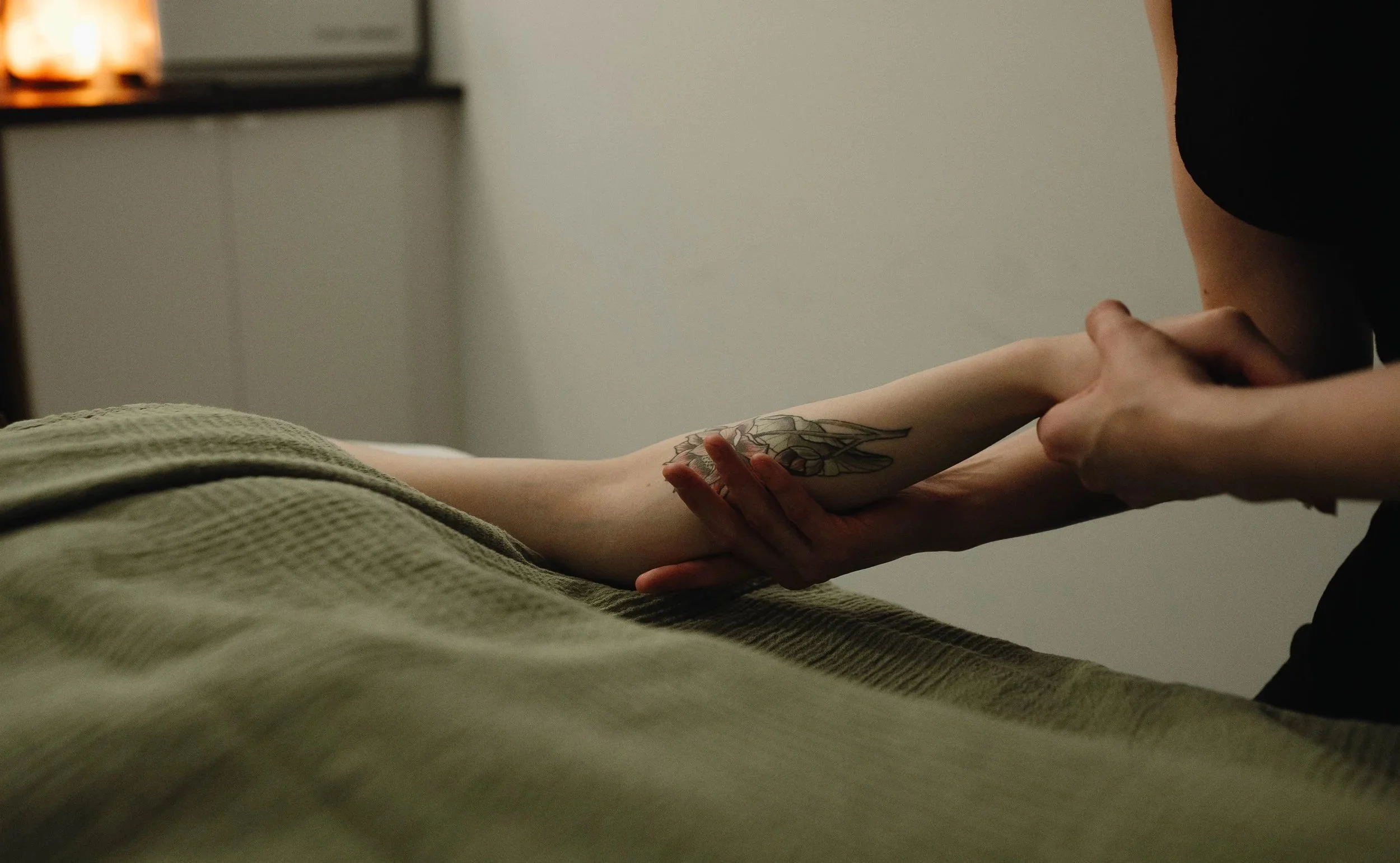
Lymphedema management with Kate-Lynn McKenzie at Flowing Roots Wellness offers gentle, individualised care designed to support clients living with lymphedema through thoughtful treatment, education, and ongoing support. Care is focused on helping manage swelling, supporting lymphatic function, improving comfort and mobility, and promoting overall quality of life while recognising that every client’s experience with lymphedema is unique.
Treatment sessions are approached collaboratively with the client and their current healthcare team and are always adapted to each client’s individual presentation, medical history, stage and severity of lymphedema, comfort level, lifestyle, and most importantly goals.
Lymphedema management can also help support:
Swelling reduction and maintenance
Reduce feelings of heaviness, tightness, or congestion
Increase mobility and ease of movement
Aid in comfort and tissue support
Nervous system regulation and relaxation
Skin health awareness and supportive care
Focus to overall quality of life and well-being
Education and confidence in on going self-management
What to Expect During an Initial Lymphedema Management Appointment
Initial appointments are designed to allow time for a thorough assessment, discussion, education, and creation of an individualised treatment plan for reduction or maintenance. Sessions are approached thoughtfully and at a pace that feels supportive and manageable.
During your first appointment, you can expect
A detailed health and medical history review
Discussion of your symptoms, concerns, and goals
Review of any relevant surgeries, cancer treatments, injuries, or medical diagnoses
Assessment of swelling patterns, tissue texture, mobility, and affected areas
Baseline swelling measurements
Education about the lymphatic system
Lymphedema management strategies such as
Discussion of lifestyle factors, daily activities, and symptom management.
Discussion around compression garments or compression bandaging.
Movement guidance and support, activity pacing, skin care education.
Referrals to other healthcare providers when appropriate.
Gentle Manual Lymphatic Drainage treatment where appropriate
At Flowing Roots Wellness, care is always guided by client comfort, consent, safety, and open communication. Sessions are designed to help clients feel informed, supported, and empowered while receiving compassionate, individualised care throughout their lymphedema management journey. Clients are encouraged to ask questions around anything discussed or concerns they may have.


How Can Manual Lymphatic Drainage Help with Lymphedema?
Manual Lymphatic Drainage (MLD) is a specialised, gentle, lotion free technique designed to stimulate the movement of lymph fluid through the lymphatic system. It can help by:
Reduces Swelling
MLD helps encourage lymph fluid to move away from congested areas and toward regions where the lymphatic system is functioning more effectively.
Relieves Heaviness and Discomfort
Many individuals report feeling lighter, more comfortable, and less restricted after treatment.
Supports Tissue and Skin Health
By improving fluid movement, MLD may help reduce tissue congestion and support healthier skin and tissue quality.
Improves Mobility and Comfort
Reduced swelling can make movement easier and more comfortable, allowing individuals to participate more fully in daily activities.
Encourages Relaxation
The gentle nature of MLD often has a calming effect on the nervous system, helping reduce stress and promote overall well being.
MLD is one component of Complete Decongestive Therapy (CDT) and is most effective when combined with compression therapy, exercise, skin care, and education to support long-term lymphedema management.

Lymphedema Management Frequently Asked Questions
There are a lot of questions regarding Lymphedema Management and Manual Lymphatic Drainage. Take a look through the common Frequently Asked Questions and reach out below if you have any other inquiries or would like guidance on how Manual Lymphatic Drainage can help you and your situation!
-
Lymphedema occurs when the lymphatic system is damaged, blocked, or not functioning properly, causing protein rich lymphatic fluid to build up in the body's soft tissues. This most commonly leads to swelling in the arms or legs.
-
What Causes Lymphedema?
Lymphedema can be classified as either primary or secondary:
Primary Lymphedema (rare) is caused by a congenital or inherited abnormality of the lymphatic system. It may develop at birth or later in life.
Secondary Lymphedema (most common) results from damage to or disruption of the lymphatic system.
Common causes:
Cancer treatments
Especially in cases of lymph node removal or radiation therapy
Surgery
Trauma or injury
Infection
Chronic venous insufficiency
-
Currently, there is no cure for lymphedema. However, with appropriate management and treatment many people are able to effectively control symptoms, reduce swelling, improve comfort, and maintain quality of life.
-
Common signs and symptoms may include:
Swelling in an arm, leg, hand, foot, trunk, breast, or other body region
Feelings of heaviness, fullness, or tightness
Aching, discomfort, or altered sensation
Reduced flexibility or mobility
Clothing or jewelry fitting more tightly
Changes in skin texture or appearance
Recurrent skin infections
-
Experiences vary. Some individuals experience little discomfort, while others may notice heaviness, tightness, aching, pressure, or reduced mobility. Effective management can often help improve comfort and function.
-
Complete Decongestive Therapy (CDT) is considered the gold standard treatment for lymphedema management. It typically includes:
Manual Lymphatic Drainage (MLD)
Compression therapy
Exercise and movement recommendations
Skin care education
Self-management strategies
Treatment plans are individualized based on each person's needs and presentation.
-
Manual Lymphatic Drainage is a gentle, specialised technique that helps encourage lymphatic fluid movement through healthy lymphatic pathways. It is one component of comprehensive lymphedema management and is often used alongside compression and self-care strategies.
-
No. Lymphedema is a chronic condition that cannot be cured through massage or Manual Lymphatic Drainage. However, specialised lymphedema therapy can be an important part of managing symptoms and supporting quality of life.
-
Treatment frequency varies depending on the severity of swelling, stage of lymphedema, treatment goals, and individual needs. Some clients require more intensive treatment initially, followed by a maintenance plan and self-management strategies.
Feel free to contact me here to discuss what that plan may look like for you!
-
Compression is often an important component of lymphedema management. Depending on your condition, stage and treatment goals, it may be recommended to use compression garments, bandaging, or other compression options as part of your care plan.
-
Appropriate exercise is encouraged and is an important part of lymphedema management. Movement helps support lymphatic flow as our lymphatic system doesn’t not has it’s own pump. Exercise recommendations should be individualised and progressed gradually.
-
Yes. Lymphedema can develop shortly after treatment or many years later. Individuals who have undergone lymph node removal, radiation therapy, or certain cancer treatments may remain at risk throughout their lifetime.
-
Yes! Many people with Lymphedema travel regularly. Planning ahead, staying active during travel, following compression recommendations, and maintaining your self management routine can help support symptom management while away from home.
-
While every situation is unique, management strategies often include:
Wearing prescribed compression garments
Staying physically active
Maintaining healthy skin care habits
Managing injuries or infections promptly
Following recommended self care techniques
Attending follow up appointments as needed
-
Lymphedema is generally considered a lifelong condition. While it cannot currently be cured, many people successfully manage their symptoms through treatment, education, self care, exercise, and compression strategies.
-
Without appropriate management, lymphedema may progress over time. Swelling can become more difficult to manage and may contribute to tissue changes, reduced mobility, discomfort, and an increased risk of infection.
-
The goal of lymphedema therapy is to help reduce and manage swelling, improve comfort and mobility, support skin health, enhance quality of life, and provide clients with the education and tools needed to confidently manage their condition over the long term.

Want to work together?
If you’re interested in working with me whether you’re at the start of your lymphedema journey or in the maintenance phase, feel free to reach out and we can get a plan started!