
Oncology Informed Massage and Rehabilatation
What Is Oncology Informed Massage?
What To Expect? What Makes Oncology Massage Different?
How Oncology Informed Massage May Help
What Does Cancer Rehabilitation & Support Involve?
Frequently Asked Questions
Oncology Informed Massage & Cancer Rehabilitation
Compassionate, Personalized Care Through Every Stage of Your Cancer Journey
A cancer diagnosis can bring physical, emotional, and mental challenges that continue long after treatment ends. At Flowing Roots Wellness, Kate-Lynn McKenzie provides individualized, evidence informed care designed to safely support people living with or recovering from cancer.
Whether you are preparing for surgery, actively receiving treatment, recovering from treatment, living with long term side effects, or in remission, treatments are thoughtfully adapted to meet your unique needs, helping you feel more comfortable, supported, and confident in your body.
What Is Oncology Informed Massage?
Oncology Informed Massage is a specialized approach to massage therapy that is carefully and safely adapted for individuals affected by cancer. Every treatment is modified based on your medical history, cancer diagnosis, current treatments, medications, energy levels, symptoms, and personal comfort.
The focus is on providing safe, gentle, and compassionate care while promoting relaxation, comfort, nervous system regulation, and overall well being.
Every session is guided by:
Individualized treatment planning
Open communication
Informed consent
Clinical reasoning
Safety and client comfort
Your care is always tailored specifically to where you are in your cancer journey.

What to Expect
Your treatment is thoughtfully adapted to support your comfort, safety, and individual needs. Depending on your health history, treatment plan, and how you're feeling that day, modifications may include:
Positioning modifications to improve comfort and reduce strain or swelling
Pressure adjustments based on tissue health, sensitivity, and personal preference
Careful consideration of surgical sites, scars, and areas affected by radiation or tumors
Treatment modifications around medical devices such as ports, PICC lines, or catheters
Accommodations for fragile or sensitive skin and compromised immune function
Fatigue conscious pacing with opportunities for rest as needed
Mobility accommodations to support safe and comfortable movement
Shortened or modified treatment sessions when appropriate
Ongoing communication throughout your appointment to ensure your comfort, consent, and well being
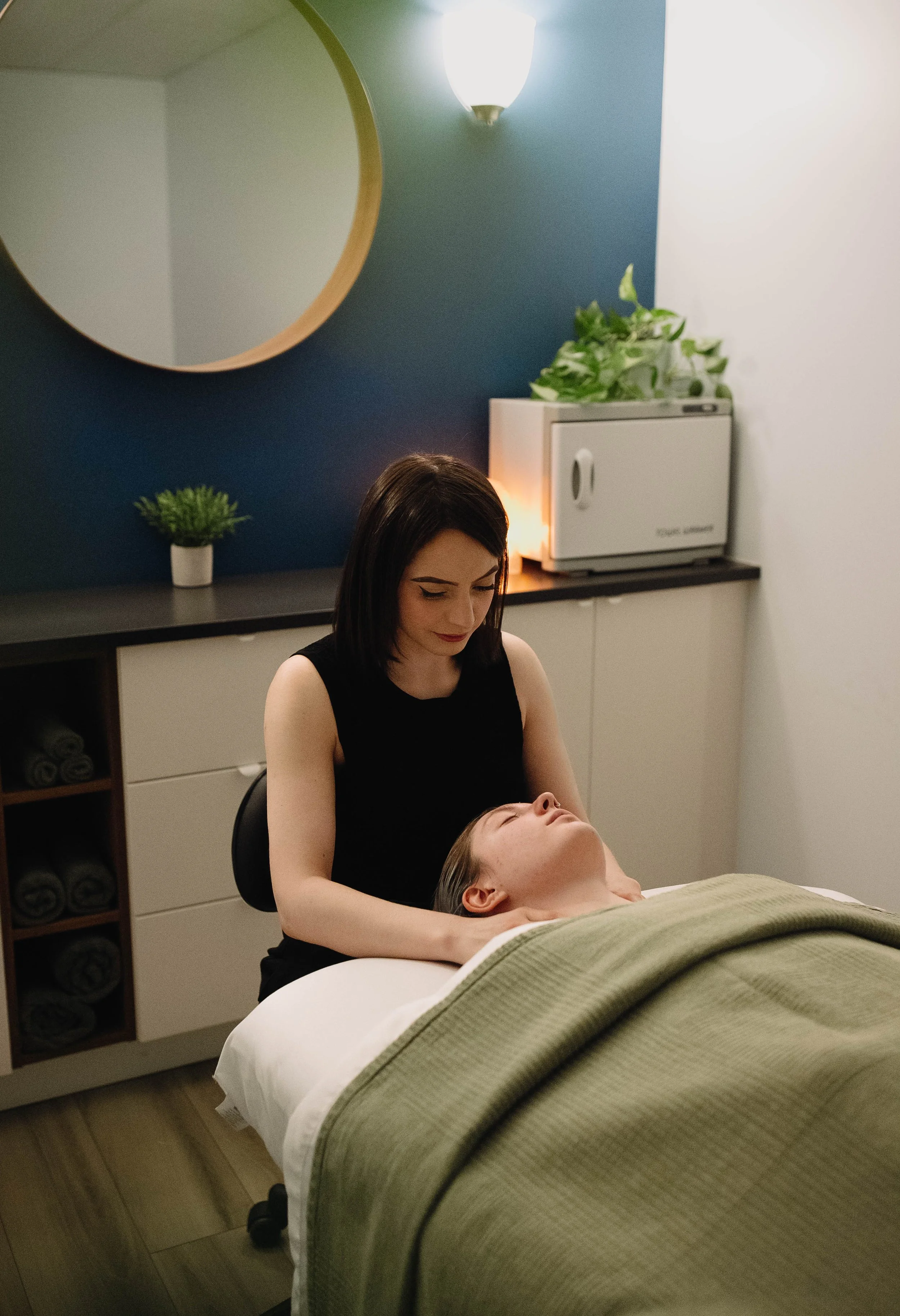
Sessions are designed to provide a calm, supportive environment where you can rest, reconnect with your body, and receive care that feels safe, respectful, and responsive to your changing needs.
How Oncology Informed Massage May Help
Every person's cancer experience is unique, and outcomes vary from person to person. When thoughtfully adapted to your individual needs, oncology informed massage may help support:
Physical Well Being
Relaxation and nervous system regulation
Comfort during cancer treatment and recovery
Gentle relief of muscular tension, aches, and discomfort
Improved range of motion and flexibility, particularly in areas affected by surgery or radiation
Pain management for joint discomfort, scar tightness, and treatment related symptoms
Healthy lymphatic function and support for lymphedema management when appropriate
Reduced fatigue and physical exhaustion
Improved sleep quality and restorative rest
Emotional Well Being
Reduced stress and anxiety
Improved mood and emotional resilience
A greater sense of calm, grounding, and relaxation
Reconnection with your body and improved body awareness
Support for body confidence and self image throughout recovery
A greater sense of comfort, care, and emotional support


Cancer Rehabilitation & Support
Cancer rehabilitation focuses on improving movement, function, strength, and quality of life before, during, and after cancer treatment.
Rehabilitation is designed to help reduce pain, improve mobility, restore function, and support your return to the activities that matter most.
Whether you're preparing for surgery or years into survivorship, personalized rehabilitation can help you regain confidence in your body.
Cancer Related Side Effects Commonly Supported
Treatment may help address concerns including:
Scar tissue restrictions
Chest, rib, and shoulder tightness
Limited shoulder, neck, and spinal mobility
Axillary Web Syndrome (cording)
Lymphedema prevention and management
Post surgical swelling
Radiation fibrosis and tissue tightness
Post mastectomy discomfort
Pain and discomfort
Cancer related fatigue
Chemotherapy induced peripheral neuropathy
Joint stiffness
Postural changes
Brain fog
Reduced physical confidence


Before Surgery (Prehabilitation)
Preparing your body before surgery can support a smoother recovery.
Your assessment may include:
Baseline movement and range of motion measurements
Baseline limb measurements
Postural assessment
Education about surgery and recovery
Gentle mobility exercises
Breathing techniques
Lymphedema risk reduction education
During & After Treatment
Rehabilitation is individualized and may include:
Manual Lymphatic Drainage (MLD)
Gentle scar tissue mobilization
Myofascial release
Manual therapy
Oncology informed massage
Therapeutic exercise
Mobility and strengthening exercises
Breathing exercises
Strategies to improve posture and daily function
The goal is to reduce discomfort, improve movement, restore confidence, and support your return to everyday life.

Cancer Rehabilitation Is Beneficial at Every Stage
Cancer rehabilitation isn't just for recovery, it can provide valuable support throughout your entire cancer journey.
Rehabilitation may be beneficial if you are:
Newly diagnosed
Preparing for surgery (prehabilitation)
Recovering after surgery or reconstruction
Undergoing chemotherapy, radiation, immunotherapy, targeted therapy, or hormone therapy
Living with treatment related side effects
Managing lymphedema or swelling
Experiencing pain, fatigue, weakness, or changes in mobility
Living with long term or late effects of cancer treatment
In remission or survivorship
Months or even years after treatment has ended
Many people believe they simply have to live with lingering symptoms after cancer treatment. In reality, concerns such as pain, stiffness, scar tissue restrictions, swelling, fatigue, reduced mobility, and changes in strength or function can often be improved with individualized cancer rehabilitation.

A Whole Person Approach
Healing involves more than the physical body.
At Flowing Roots Wellness, care is trauma informed, compassionate, and centred around your individual goals. Every treatment is delivered at your pace in a calm, supportive environment where you are heard, respected, and actively involved in your care.
Whether your goal is to reduce pain, improve movement, manage swelling, ease tension, regain strength, or simply find a space to rest and reconnect, your treatment is thoughtfully designed around what matters most to you.
You deserve more than simply getting through treatment, you deserve care that helps you move, heal, and live with greater comfort and confidence!

A Collaborative Approach
Recovery works best when healthcare providers work together.
Kate-Lynn McKenzie from Flowing Roots Wellness offers care provided within the scope of massage therapy and is designed to complement, NOT REPLACE the guidance of your oncologist, surgeon, physician, physiotherapist, or other healthcare professionals.
Treatment recommendations are always adapted to your health history, recovery stage, symptoms, and medical guidance.
Oncology Informed Massage and Cancer Rehabilitation Frequently Asked Questions
Choosing supportive care during or after cancer treatment can come with many questions. Oncology massage is carefully adapted to your health status, treatment history, and comfort level, providing a safe and compassionate approach to care. Browse the Frequently Asked Questions, or contact me directly for personalised guidance.

-
Yes. This is called prehabilitation. Improving strength, mobility, breathing, and overall physical function before surgery may help support recovery afterward. Education before surgery can also help you know what to expect and prepare for your rehabilitation.
-
In many cases, yes. Oncology informed massage is specifically adapted to support individuals who are currently receiving cancer treatment, recovering from treatment, living with long term side effects, or navigating survivorship. Every session is modified based on your medical history, treatment plan, symptoms, and comfort level to help ensure care is provided safely and appropriately.
-
There is no credible evidence that massage spreads cancer.
A common misconception is that massage can cause cancer to spread by increasing blood or lymph circulation. In reality, normal daily activities such as walking, climbing stairs, and regular exercise increase blood circulation much more than a professional massage.
The spread of cancer (metastasis) is a highly complex biological process involving genetic changes, tumour biology, and biochemical signalling.
It is not caused by massage.
For many people living with or recovering from cancer, massage can be a safe and beneficial complementary therapy. Research has shown that massage may improve psychological wellbeing while helping to reduce common treatment-related symptoms such as pain, fatigue, nausea, anxiety, and depression.
One large study involving nearly 1,300 cancer patients found that these symptoms improved by approximately 50% following massage therapy!
Massage for people with a current or previous cancer diagnosis should always be tailored to the individual. Massage therapists with specialised oncology training understand how to safely modify treatment based on factors such as the person's medical history, current or past cancer treatments, medications, surgical sites, radiation areas, lymph node removal, and tumour locations. These adaptations help ensure that massage is both safe and effective while supporting the person's comfort and wellbeing.
Evidence matters. Let's replace fear with facts. -
Oncology massage is always adapted with your safety in mind. While a physician’s note is not required in all cases, approval or guidance from your physician or oncology team may be necessary depending on your medical situation.
If this applies to you, it will be discussed before your session so that any recommended clearance or communication with your healthcare providers can be arranged. This helps ensure your treatment is appropriate, safe, and fully aligned with your overall care plan.
-
Oncology informed massage involves specialised knowledge and adaptations that take into account the effects of cancer and cancer treatments on the body. Adjustments may be made to positioning, pressure, treatment areas, session length, pacing, and overall treatment approach to support safety, comfort, and individual needs.
-
The goal is to provide a safe, supportive, and individualised treatment experience that promotes comfort, relaxation, and overall well being. Care is guided by thoughtful communication, informed consent, clinical considerations, and respect for each person's unique experience and needs.
-
Many individuals can receive massage during chemotherapy, radiation, immunotherapy, or other cancer treatments. Treatment plans are carefully adapted based on your current health status, symptoms, treatment schedule, and with recommendations from your healthcare team when appropriate.
-
Many clients report feeling more relaxed, grounded, and supported following treatment. While massage is not a treatment for anxiety or mental health conditions, but it may help promote relaxation, nervous system regulation, and emotional well being.
-
Oncology Informed Massage is not intended to treat cancer or replace medical care. However, some individuals find that gentle massage may help support comfort, relaxation, and relief from muscular tension and stress that can accompany treatment and recovery.
-
Treatment areas are always considered carefully. Modifications may be made around surgical sites, radiation areas, ports, medical devices, lymphedema risk areas, or other treatment related concerns. Your comfort and safety will guide all treatment decisions.
-
Cancer related fatigue is a common concern and is carefully considered during treatment planning. Sessions can be modified to include gentler techniques, shorter treatment times, supportive positioning, and a slower pace to help ensure the experience remains comfortable and manageable.
If treatment related fatigue or illness is severe enough that you are unable to leave your home, same day cancellations are understood with compassion and will not be subject to a late cancellation fee. Please notify me as soon as possible if you are unable to attend your appointment.
-
If you have lymphedema or are at risk of developing lymphedema, it is important to work with a Certified Lymphedema Therapist (CLT) who can assess your individual needs, provide appropriate treatment, education, and help you safely manage your condition.
Kate-Lynn McKenzie of Flowing Roots Wellness is a Dr. Vodder trained Certified Lymphedema Therapist
-
Your first appointment will include a discussion about your health history, cancer diagnosis, treatments (past/ongoing/upcoming), current symptoms, comfort needs, and treatment goals. This conversation helps ensure your massage is tailored specifically to your circumstances and preferences.
-
Axillary Web Syndrome, often called cording, is a condition that can occur after breast cancer surgery or lymph node removal. It causes tight, rope like bands of tissue that may limit shoulder movement and create discomfort extending into the arm or chest. Gentle massage techniques and guided exercises may help improve mobility and reduce symptoms.
-
Oncology massage often uses gentle to moderate pressure, and slow movements to help ease pain, fatigue and anxiety. We don’t want to harm any fragile tissue from treatments or worsen treatment side effects.
-
Absolutely. Many people feel uncertain about receiving treatment after a cancer diagnosis. My goal is to create a welcoming, calm, and supportive environment where you can ask questions, move at your own pace, and feel confident that your care is being adapted specifically for your needs. You are always in control of your treatment, and your comfort and consent remain central throughout every visit!
-
Your health always comes first. If you're feeling unwell or develop symptoms of illness before your appointment, please let me know as soon as possible and focus on getting the rest you need.
If treatment related fatigue or illness is severe enough that you are unable to leave your home, same day cancellations are understood with compassion and will not be subject to a late cancellation fee. Please notify me as soon as possible if you are unable to attend your appointment.
Once you're feeling better, i’ll be happy to help you reschedule your visit. Your health, comfort, and well being are always the priority.
-
No. Oncology Informed Massage is appropriate for individuals at every stage of the cancer journey. Whether you are newly diagnosed, preparing for surgery, undergoing treatment, recovering from treatment, living with long-term or late effects, in remission, or navigating survivorship, care is thoughtfully adapted to meet your individual needs.
Many people continue to experience symptoms such as pain, fatigue, scar tissue restrictions, swelling, limited mobility, or ongoing stress long after treatment has ended. Oncology Informed Massage provides a safe, compassionate, and individualized approach to support comfort, relaxation, recovery, and overall well-being, wherever you are in your journey.