Manual Lymphatic Drainage
What is Manual Lymphatic Drainage?
Who Benefits From Manual Lymphatic Drainage?
Contraindications
Frequently Asked Questions


Kate-Lynn McKenzie at Flowing Roots wellness practices the Dr. Vodder Method of Manual Lymphatic Drainage.
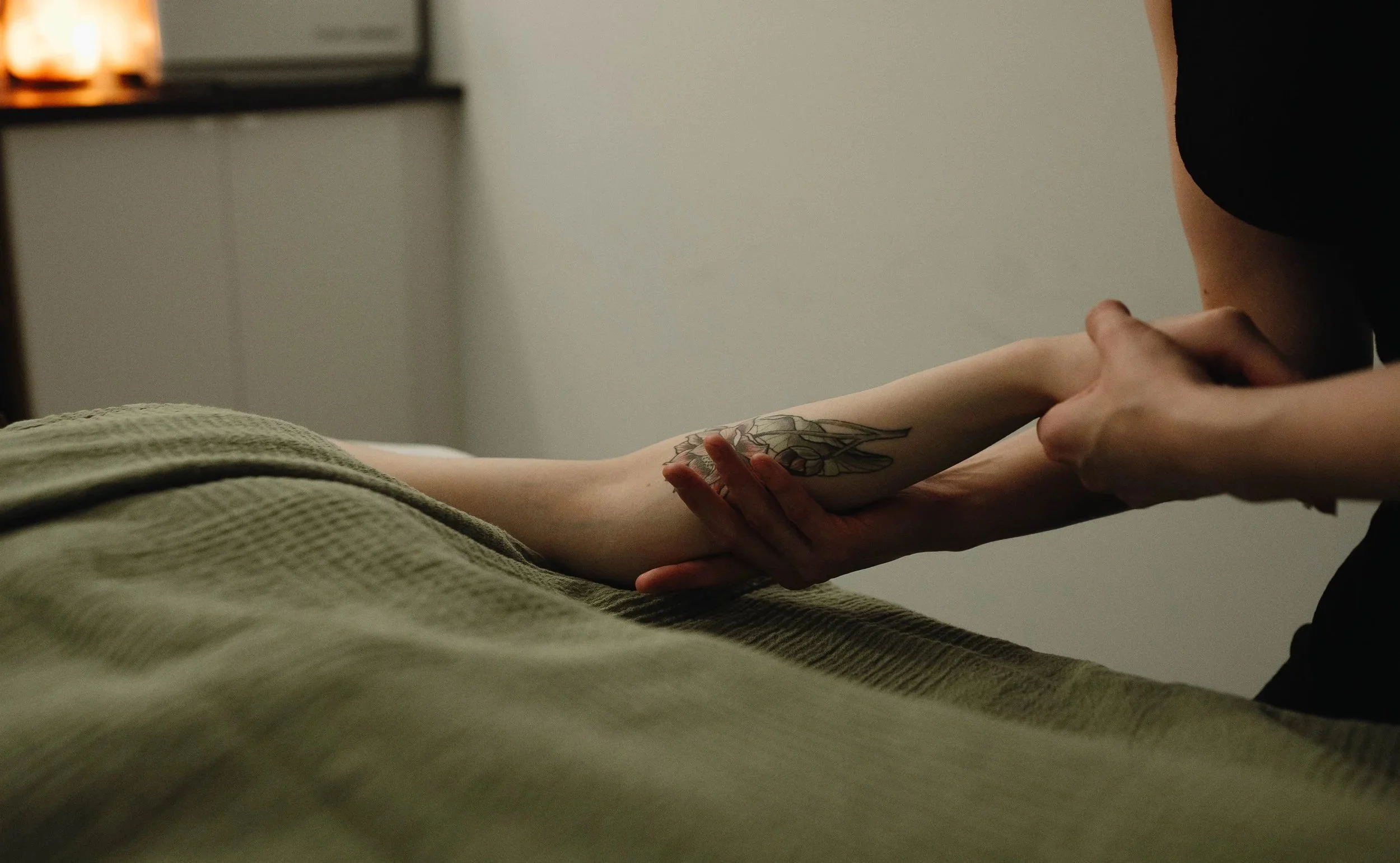
Manual Lymphatic Drainage (MLD) at Flowing Roots Wellness is a gentle, pain free, specialised hands-on treatment designed to support the natural movement and function of the lymphatic system. Using light, slow, rhythmical, and intentional techniques, MLD works to encourage the flow of lymphatic fluid while supporting relaxation, recovery, swelling management, immune function, and overall well-being.
Sessions are thoughtfully adapted to each client’s unique needs, health history, comfort level, presentation, and goals. Whether focused on wellness maintenance, post surgical recovery, or more complex lymphatic concerns, MLD offers a gentle, supportive approach to care. Treatment may benefit those preparing for or recovering from surgery, managing swelling, seeking support for lymphedema or lipedema, navigating postpartum recovery, or simply looking to enhance overall wellness and relaxation. Every session is adapted to the individual and delivered at a pace that feels supportive to the body.
Depending on your needs, sessions may also include personalised homecare recommendations such as:
Gentle movement strategies
Breathing exercises
Self-lymphatic techniques
Hydration support
Recovery education
Compression education where appropriate
Relaxation and nervous system regulation strategies
What Is Manual Lymphatic Drainage?
Manual Lymphatic Drainage (MLD) Supports

Lymphedema Management
MLD is a specialised component of lymphedema care designed to support lymphatic fluid movement and help manage swelling. When incorporated into a comprehensive treatment plan, MLD may help improve comfort, mobility, and quality of life while supporting long term self management strategies.

Pre & Post Surgical Recovery and Support
MLD is commonly used before and after surgery to support healthy lymphatic circulation, manage post surgical swelling, and promote comfort during recovery. Treatments are adapted to your stage of healing and individual needs, helping to support the body's natural recovery processes in a gentle and safe manner.
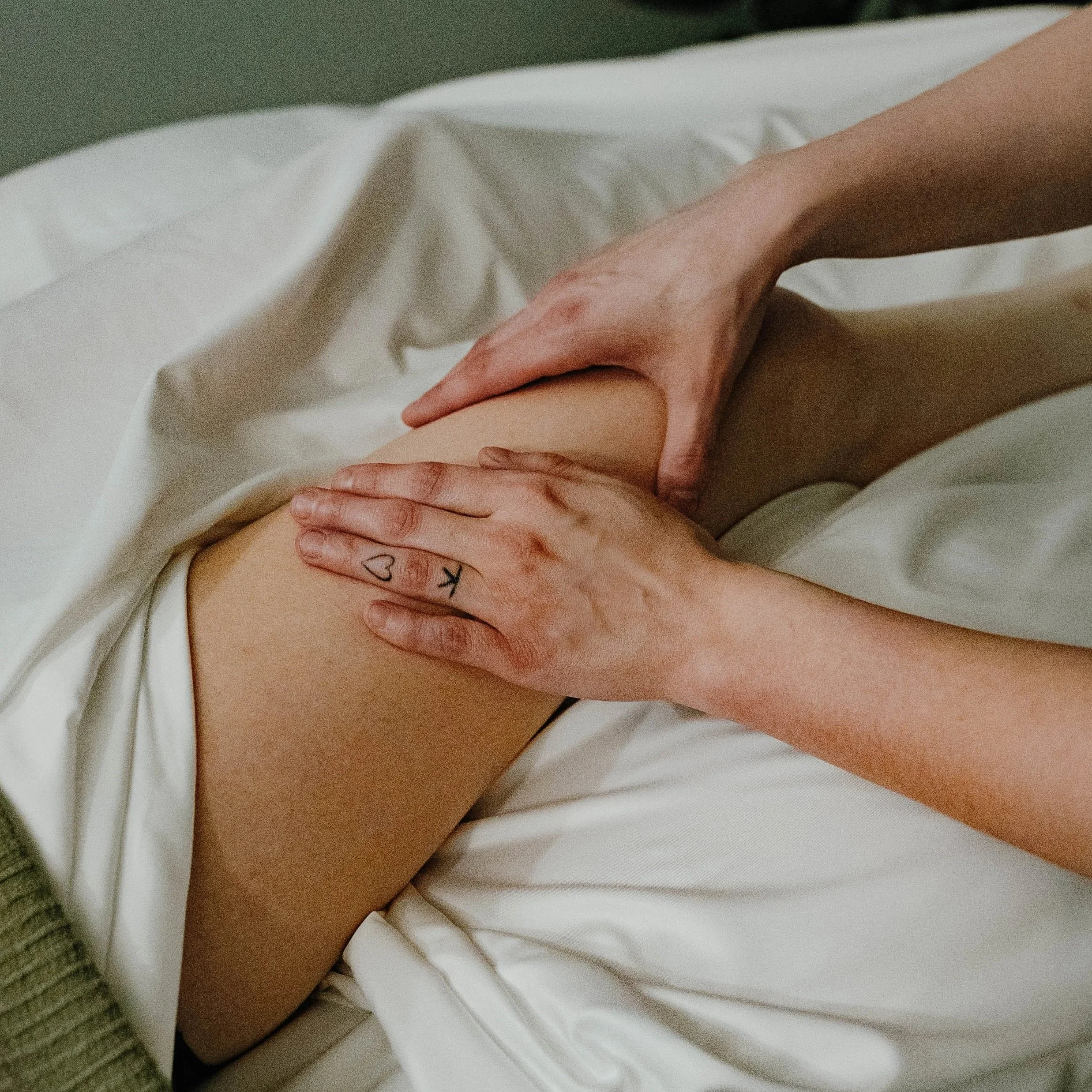
Lipedema Support
MLD may help support individuals living with lipedema by encouraging lymphatic flow, promoting comfort, and helping manage secondary swelling that can occur alongside the condition. Treatments are tailored to individual needs and may help reduce feelings of heaviness, tightness, and discomfort.

Pre Natal & Post Natal Recovery and Support
During pregnancy and the postpartum period, MLD may help support fluid balance, reduce feelings of swelling, and promote relaxation and overall well being. Treatments are carefully adapted to each stage of pregnancy and recovery, prioritizing comfort, safety, and individualized care.

Orthopedic Conditions
MLD may be incorporated into recovery plans for certain orthopaedic injuries, surgeries, or conditions where swelling and inflammation are contributing factors. By supporting lymphatic circulation and fluid movement, MLD may help decrease pain and improve comfort and mobility.
MLD can help with conditions like Sprains, Strains, Fractures, Tendinitis, Frozen shoulder, Fibromyalgia, Arthritis and more.

General Wellness
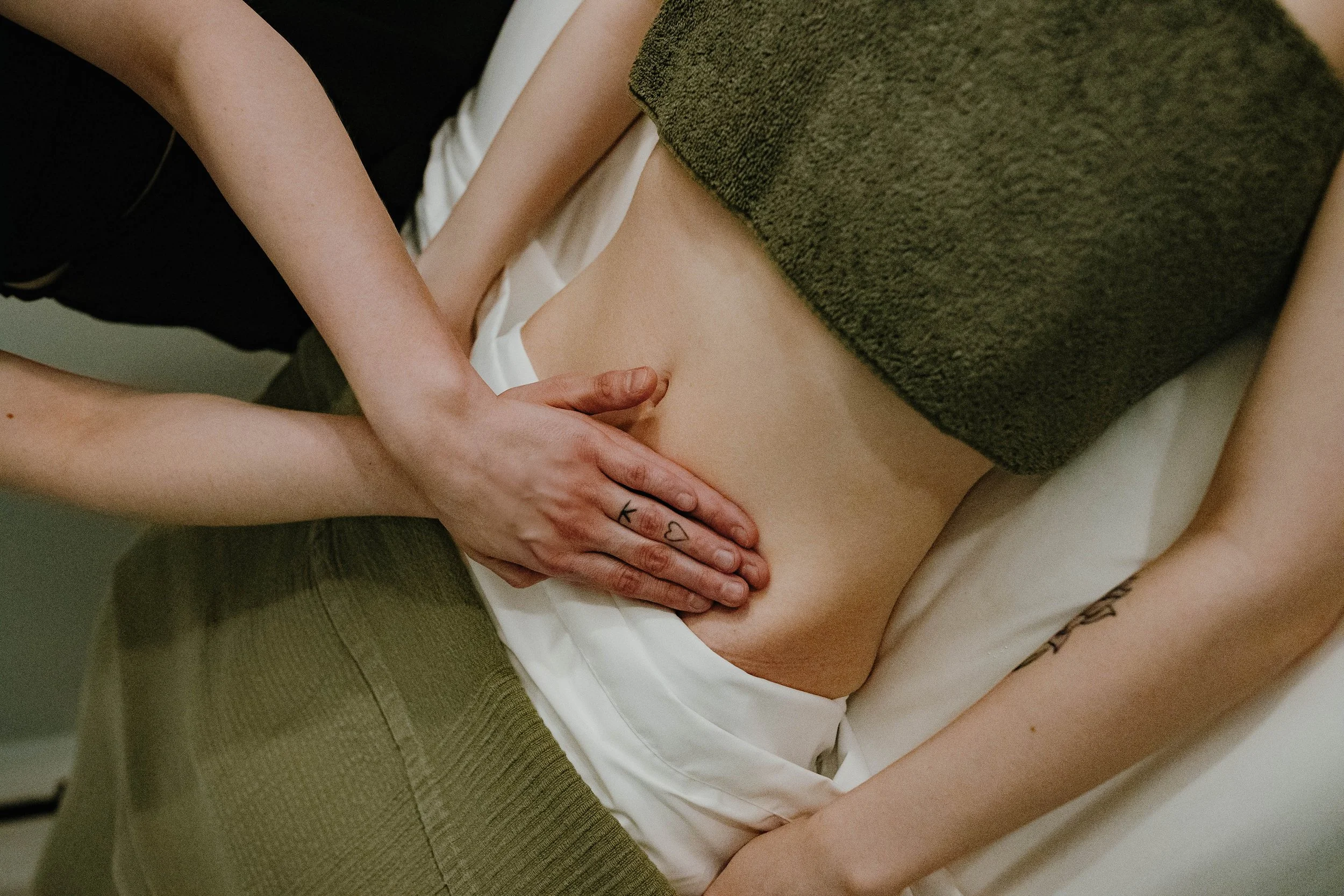
MLD offers a gentle, calming treatment that supports healthy lymphatic function, relaxation, and nervous system regulation. Many clients add MLD as part of their wellness routine to promote better digestion, overall well being, support recovery from daily stressors, and encourage a greater sense of balance within the body.
“Absolutely loved my Manual Lymphatic Drainage massage with Kate-Lynn. I have had them before but never like this!!! It was so incredibly relaxing, intentional, and I truly felt & saw a difference in the hours & days after. Absolutely incredible! Kate-lynn has a gift & it’s a pleasure to be treated by her. I can’t wait for the next one!”
Kayley C
Contraindications
Manual Lymphatic Drainage (MLD) is generally very gentle and safe but there are important situations where it’s not recommended or should only be done with medical clearance.
Manual Lymphatic Drainage works by moving fluid through the lymphatic system, so anything that could worsen the spread of an infection, clot movement or cause fluid overload is the main consideration.
If there is a contraindication that comes up during intake, the session may be cancelled for the day for safety and precaution reasons. No fee will be charged for an appointment cancelled for something out of your control!
Absolute or strong contraindications
We’re going to avoid MLD unless specifically cleared by a doctor, often for palliative cases.
Acute infection
Especially with fever, such as cellulitis or systemic infection.
If on antibiotics - Appointments will be postponed until the cycle of antibiotics are complete.
Untreated acute deep vein thrombosis (DVT) or suspected blood clot
Avoiding risk of dislodging clot
Acute congestive heart failure
Increased/overload circulation to the heart could be unsafe
Severe, uncontrolled kidney failure
Increased fluid shift to kidneys may be unsafe
Acute inflammation or acute flare of a serious condition
Avoiding risk of worsening acute flare up
Relative contraindications
We’re going to proceed with caution and only after appropriate medical evaluation and clearance when indicated. Treatment techniques may need to be modified based on the individual's health status.
Malignancy (cancer)
MLD is often used in oncology support and lymphedema care but only when coordinated with the oncology team as there are many modifications to consider.
Chronic heart disease
Shorter sessions when condition is stable and cleared by doctor
Asthma or respiratory compromise
Avoid or decrease session length during acute flare ups
Low blood pressure
Shorter sessions when condition is stable and/or cleared by doctor
Renal or hepatic disease (chronic)
Shorter sessions once cleared by doctor due to increased fluid shift to kidneys from MLD
First trimester pregnancy
Abdominal techniques avoided (techniques may be modified later in pregnancy)
Local contraindications
We do not apply MLD directly to the affected area. Treatment may proceed in other regions if clinically appropriate and provided it does not compromise the individual's safety or recovery.
Areas with active radiation dermatitis
Skin infections, wounds, burns, or rashes
Recent surgery without clearance (especially lymph node removal areas)

Manual Lymphatic Drainage (MLD) Frequently Asked Questions
There are a lot of questions regarding Manual Lymphatic Drainage. Take a look through the common Frequently Asked Questions and reach out if you have any other inquiries or would like guidance on how Manual Lymphatic Drainage can help you and your situation!
-
Manual Lymphatic Drainage (MLD) is a gentle, specialized hands-on therapy that uses light, rhythmic movements to support the body's lymphatic circulation and encourage the natural flow of lymphatic fluid. Using specific drainage pathways and techniques, treatments are tailored to each client's unique needs and goals, helping to promote healthy fluid balance, comfort, relaxation, and overall wellness.
-
The lymphatic system is a network of vessels, lymph nodes, and organs that helps transport lymphatic fluid, remove cellular waste within the body, support immune function, and maintain fluid balance throughout the body.
In my eye it’s one of the most under appreciated systems in our body!
-
MLD is very different from traditional massage. Unlike therapeutic or deep tissue massage, MLD uses extremely light pressure, no lotion or oils as well as specific techniques and pathways designed to stimulate lymphatic flow rather than work deeply into muscles. The treatment is typically slow, gentle, and relaxing.
-
Absolutely not! MLD is very gentle and should not be painful at all. The pressure used is much lighter than traditional massage techniques because lymphatic vessels are located close to the surface of the skin. If it's done rough manner and does hurt, it's likely not being done correctly.
-
Most clients describe MLD as gentle, rhythmic, calming, and deeply relaxing. Some people feel lighter, more relaxed, or notice a sense of overall well-being following treatment. Many people are surprised at how light of a technique it is but how big the benefits can be!
-
MLD may help support the management of certain types of swelling when appropriate. However, not all swelling is suitable for MLD. A thorough health history and assessment are important to determine whether treatment is appropriate.
-
Many clients find MLD deeply calming and relaxing. The gentle and repetitive nature of the technique may help support nervous system regulation, relaxation, and an overall sense of well-being.
-
MLD is one component of a Combined Decongestive Therapy (CDT) protocol, a common approach used in lymphedema management.
If you have lymphedema, treatment should be provided by a Certified Lymphedema Therapist (CLT), a practitioner with specialised training in lymphedema management, as treatment must be tailored to the individual's specific needs and circumstances.
Kate-Lynn McKenzie of Flowing Roots Wellness in Edmonton Alberta is a Dr. Vodder Certified Lymphedema Therapist and Combined Decongestive Therapist
-
Yes. MLD is commonly sought after surgery and can be a safe and effective way to support recovery by helping reduce swelling, improve comfort, and encourage healthy lymphatic circulation. and tissue mobility. Treatment should be tailored to your procedure and stage of healing.
-
This depends on the type of surgery, your stage of healing, and your surgeon's recommendations. Medical clearance may be required before beginning treatment.
I usually recommend waiting about 7 days after surgery before coming in for your first treatment. This allows the body time to recover and decompress after the heightened stress of surgery, helping to ensure a more effective and safe treatment experience.
Gloves and proper sanitation protocols are used during treatments to maintain safety and hygiene.
-
The number of sessions varies depending on your goals, health history, and individual needs. Some people seek occasional treatments for wellness and relaxation, while others may benefit from a more structured treatment plan.
General Suggestions
For general wellness, treatments are often scheduled every 4, 6, or 8 weeks, or seasonally, depending on individual goals and preferences.
More complex cases, such as lymphedema management or post-surgical recovery, may benefit from more frequent treatments scheduled closer together. This can help reduce the increased lymphatic load and build upon the benefits of each session. Treatment frequency varies based on your individual needs, symptoms, goals, and what is realistically attainable for you.
Contact me above to discuss your specific situation and we can determine an appropriate treatment plan for you.
-
The term "detox" is often used in wellness marketing, but the body naturally removes waste products through organs such as the liver, kidneys, lungs, and lymphatic system. MLD is designed to support normal lymphatic function and circulation, but it should not be viewed as a cure or detoxification treatment.
-
Yes. Certain medical conditions may require modifications, medical clearance, or may make treatment inappropriate. A thorough health history is reviewed before treatment to ensure MLD is safe and suitable for your situation.
-
Most clients can return to normal daily activities after treatment.
It’s extremely important to stay hydrated afterwards to help support lymph fluid, avoid dehydration and prevent any headache or fatigue following treatment.
Depending on treatment goals it may be suggested to engage in gentle movement, or other homecare suggestions.
-
Absolutely, it falls under massage therapy or any health spending account if available.
Learn More About Lymphatics & Wellness : Blog (Coming Soon)